Scientists: computer modeling suggests one lunar crater is the origin of a nearby asteroid
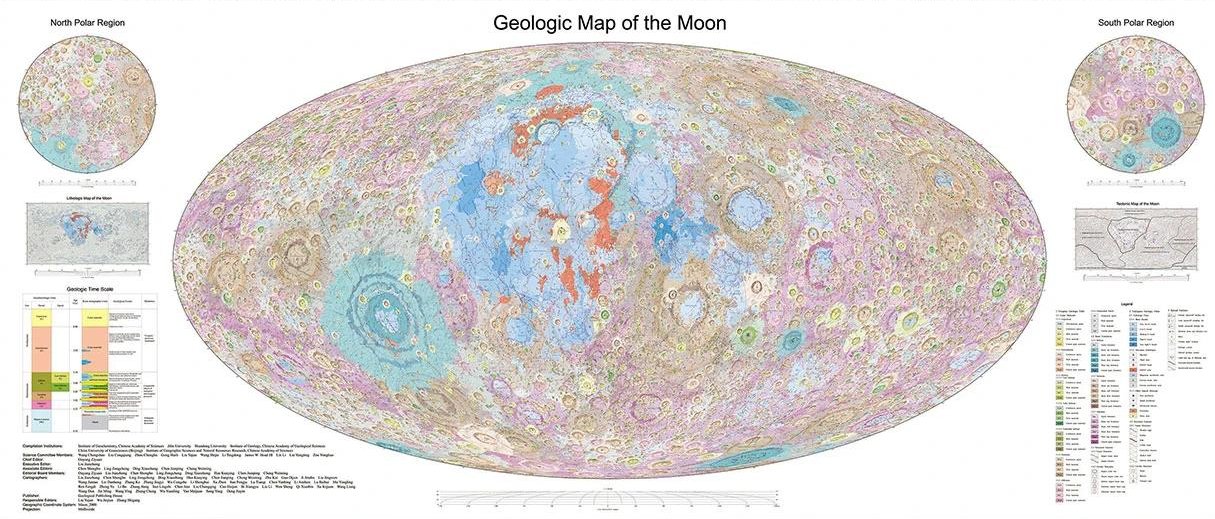
The uncertainty of science: Using computer modeling some scientists now suggest that the nearby asteroid 2016 HO3, also known as Kamo’oalewa, that has a solar orbit that periodically flips around the Earth, came from an impact a million years ago that created the Giordano Bruno crater on the moon’s far side.
According to the simulations, it would have required an impactor of at least 1 kilometer (0.6 mile) in diameter to launch a large fragment like Kamo’oalewa beyond the moon’s gravitational pull. According to the group’s model, the impact would have dug up Kamo’oalewa from deep beneath the moon’s surface, leaving behind an impact crater larger than 10 to 20 kilometers (6-12 miles) in diameter. Additionally, the crater would have to be younger than the average lifetime for near-Earth objects, which spans about 10 million to 100 million years, a very short and recent period in the history of the solar system.
While the lunar surface is riddled with thousands of craters from impacts spanning the moon’s 4.5 billion year-history, only Giordano Bruno with its 14-mile diameter and estimated 4 million years of age fits the bill in terms of size and age, making it the most probable source of Kamo’oalewa’s origin. The team also showed that this scenario is feasible from an impact dynamics perspective.
To say that this conclusion is uncertain is an understatement of monumental proportions. However, the possibility is real. A Chinese asteroid mission, dubbed Tianwen-2, will likely found out, as it is planning to bring samples back from this asteroid by 2027.