Intuitive Machines wins $180.4 million new NASA lunar lander contract
Click for original.
The lunar lander startup Intuitive Machines announced yesterday that it has won its fifth contract from NASA, a $180.4 million deal to place its larger upgraded Nova-D lander near the Moon’s south pole.
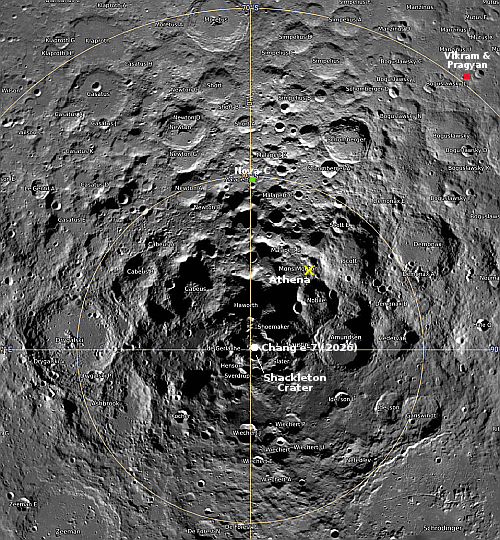
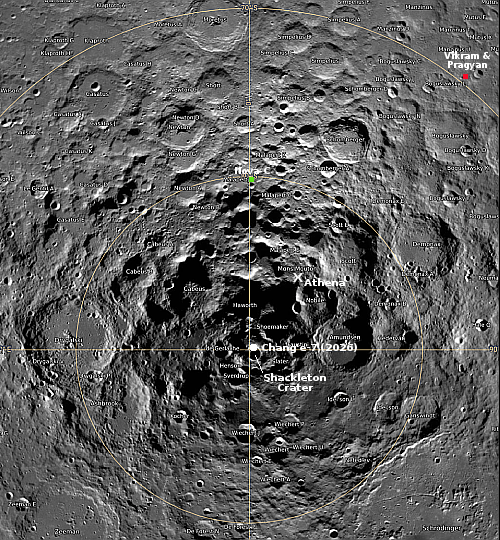
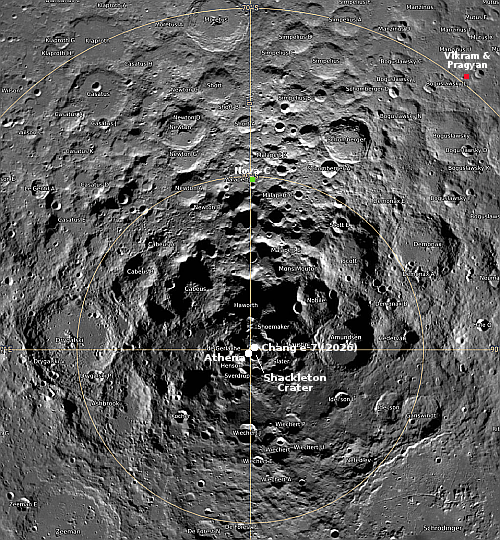
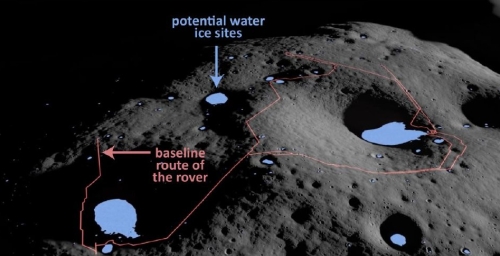
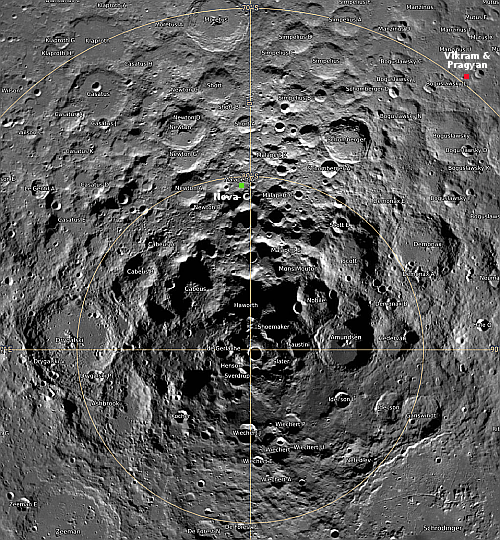
The IM-5 mission will target Mons Malapert, a ridge near the Lunar South Pole that offers continuous Earth visibility, stable illumination conditions, and access to permanently shadowed regions. These characteristics make the site a compelling location for future communications, navigation, and surface infrastructure.
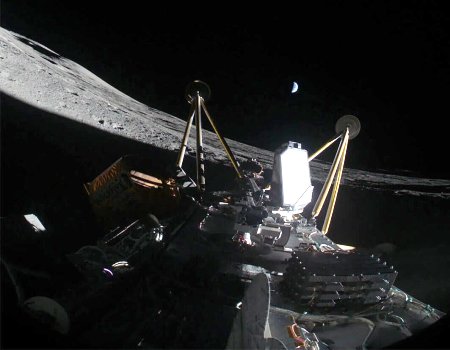
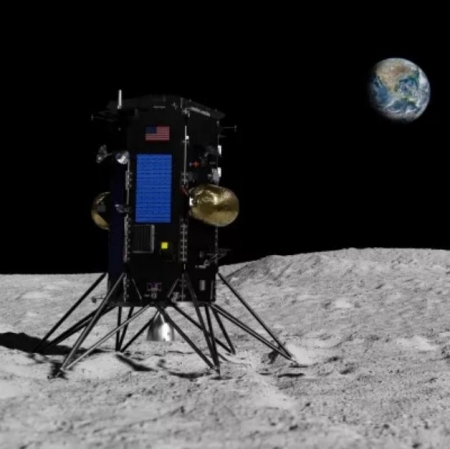
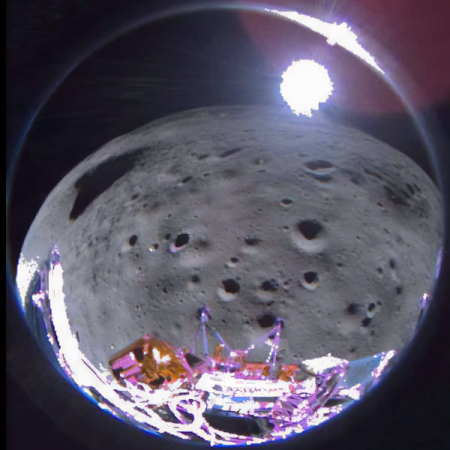
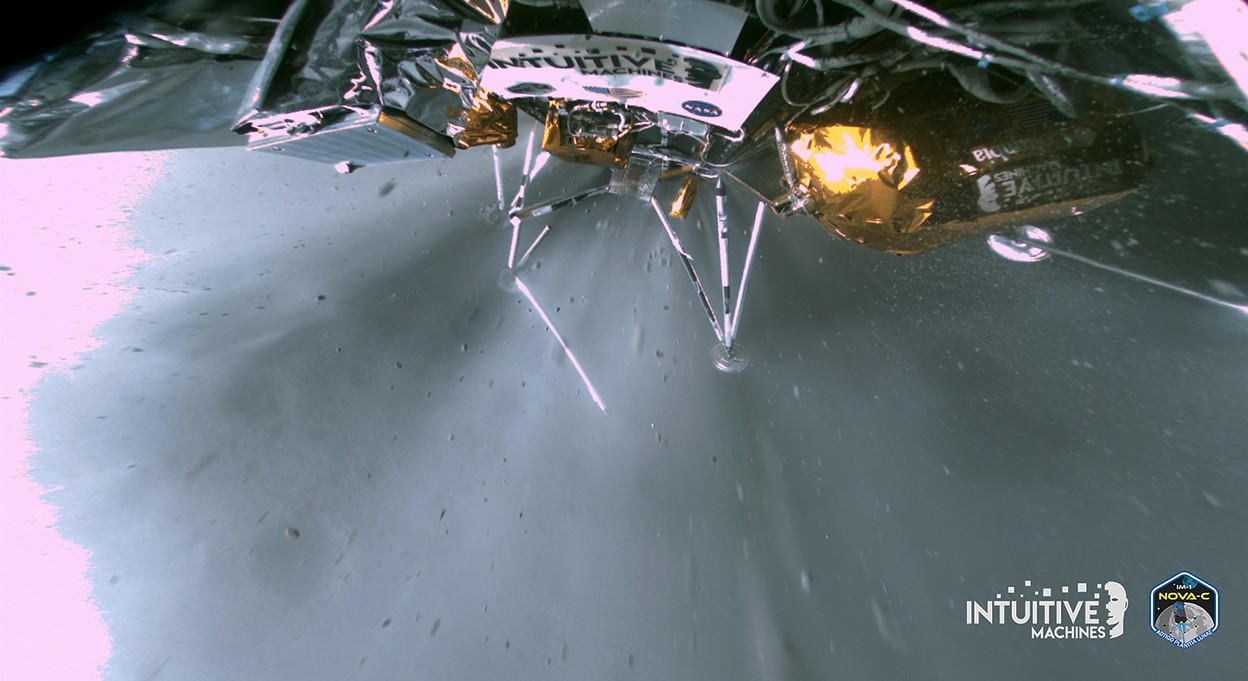
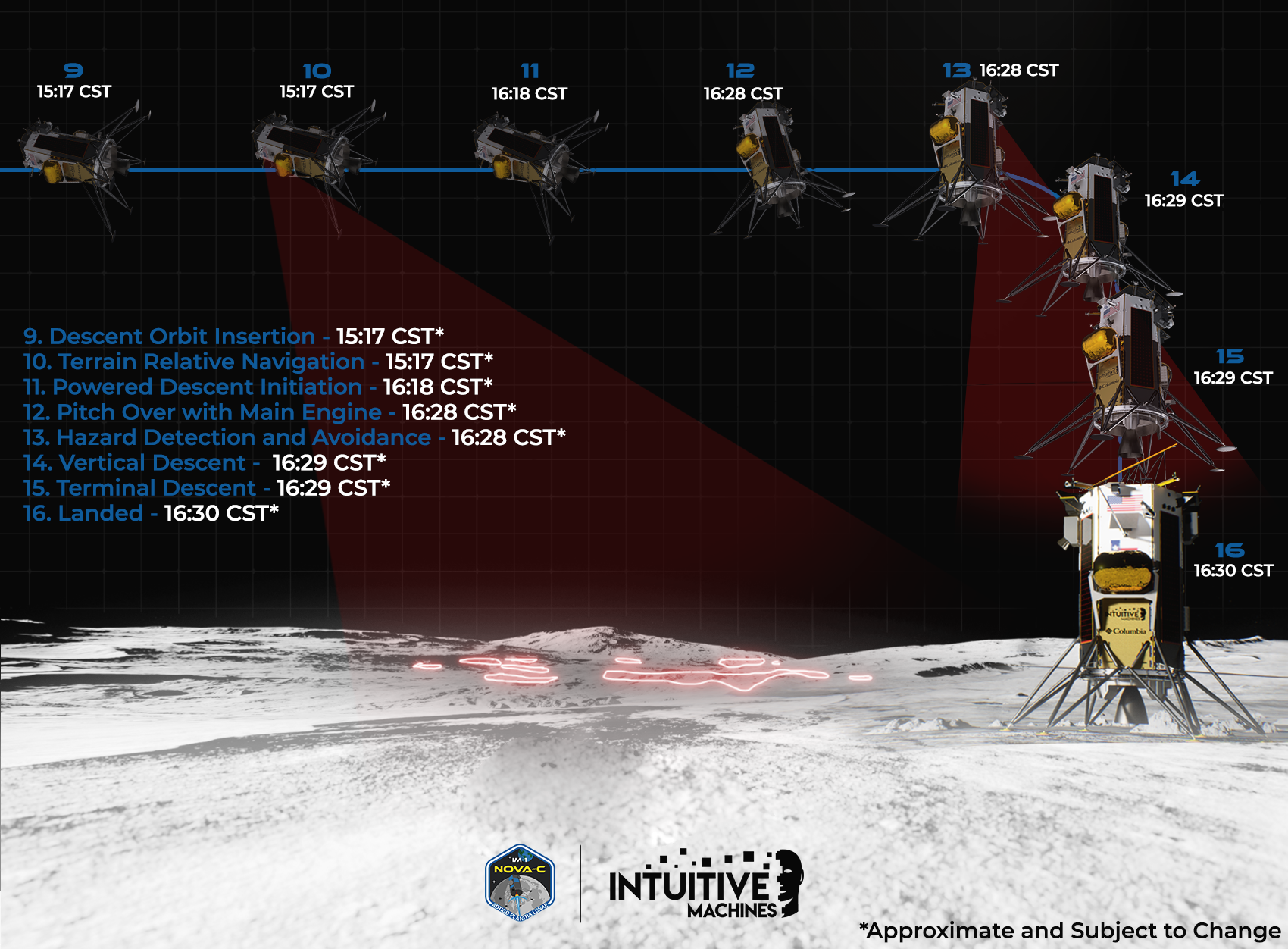
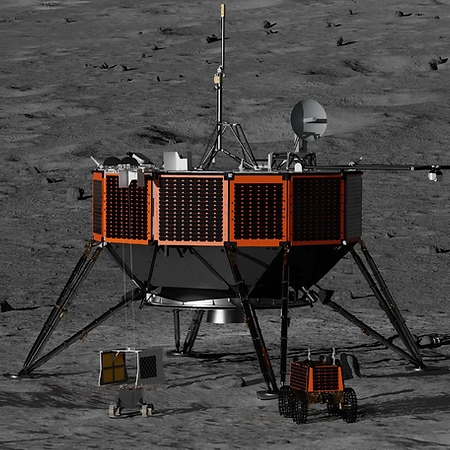
The artist’s rendering to the right shows this Nova-D lander. What stands out immediately is its low-slung appearance. Intuitive Machines’ smaller Nova-C lander was tall (see this image), with a high center of gravity. In its only two landing attempts on the Moon it tipped over both times after touchdown. It appears the company has finally recognized the issue and reworked this new lander to make it more stable after touchdown.
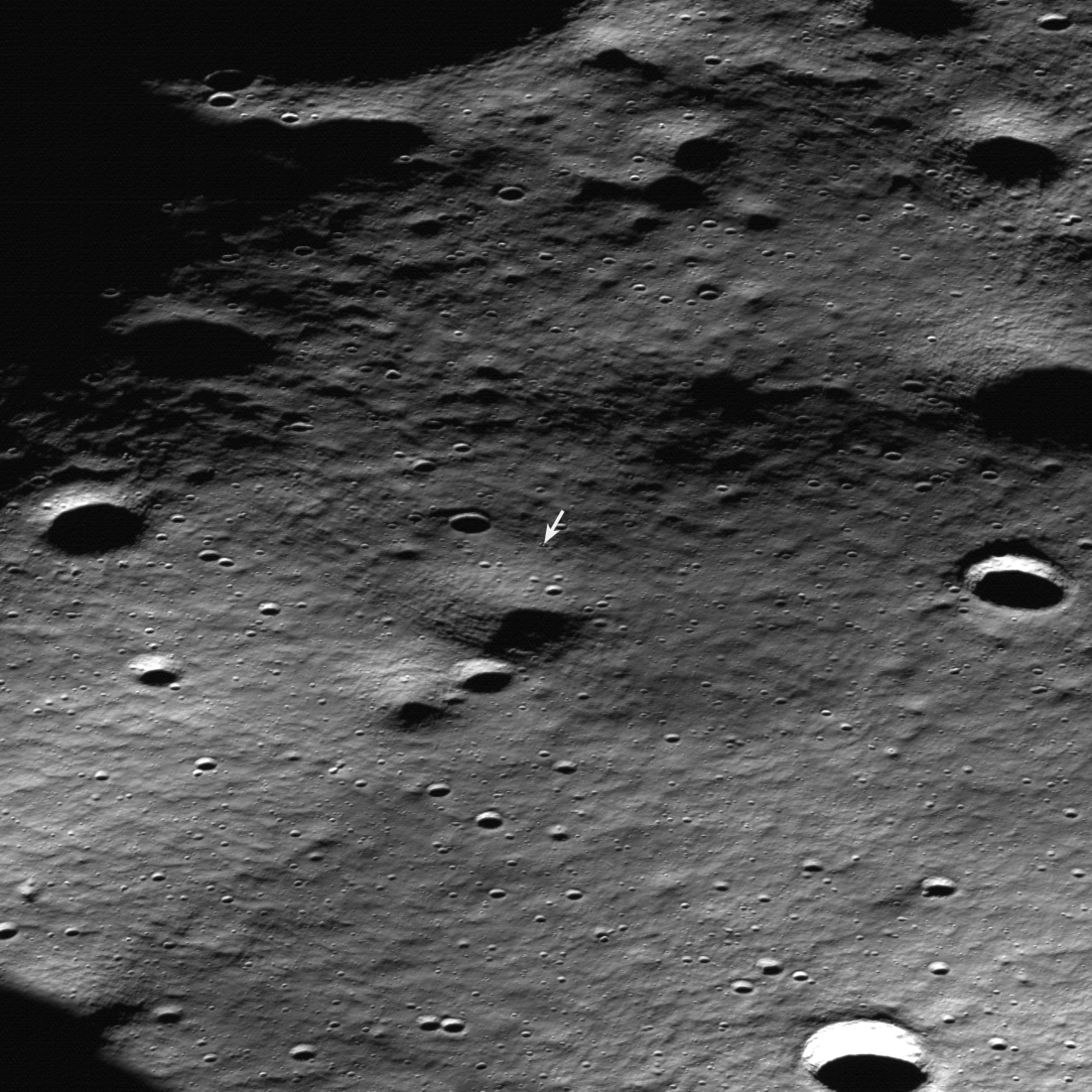
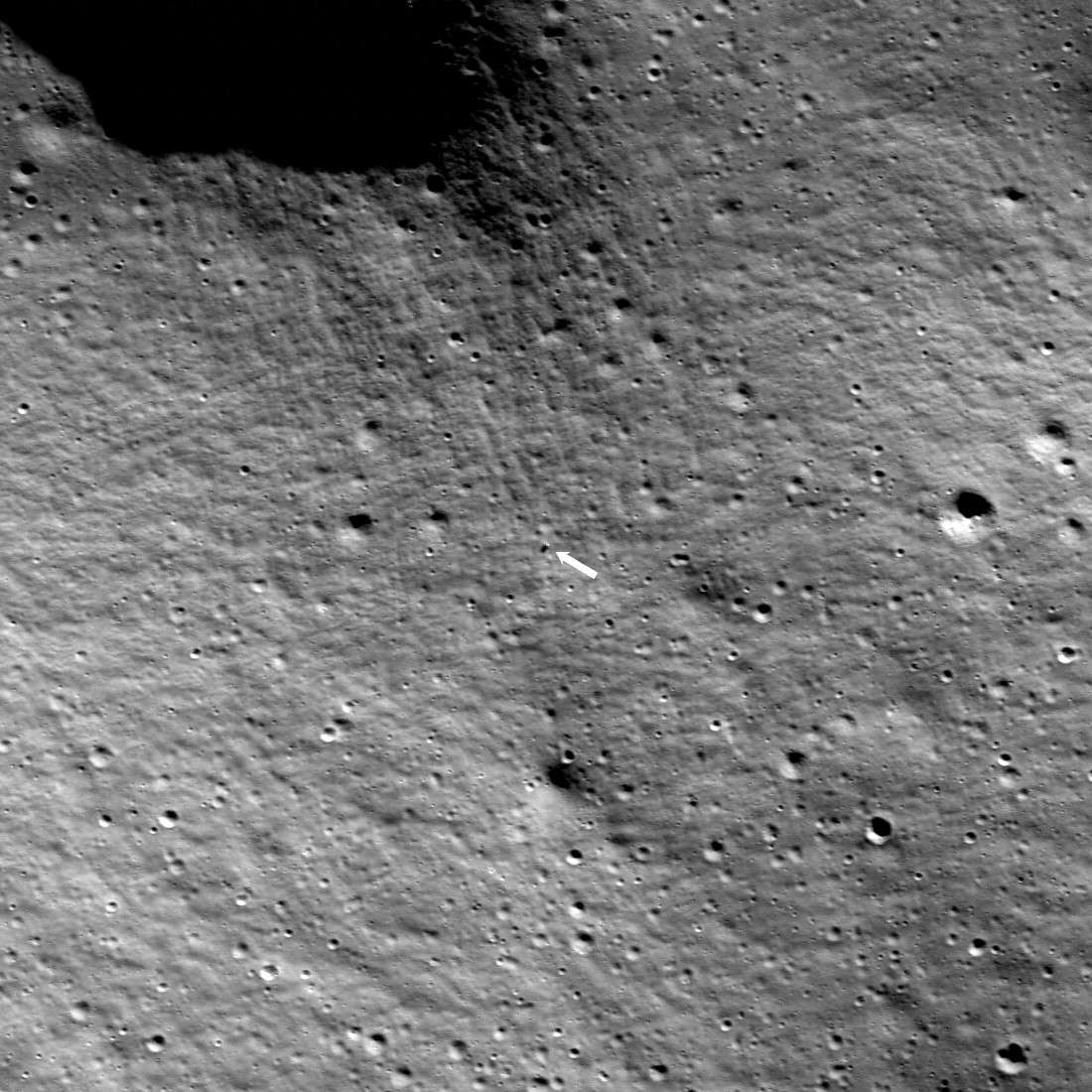
This contract award appears to be part of the accelerated program by NASA administrator Jared Isaacman to land 30 unmanned rovers on the moon in three years, beginning in 2027. Mons Malapert is a plateau that Intuitive Machines second lander tipped over on. It is also the landing site for Astrobotics’ Griffin lander, as well as a candidate landing site for the first Artemis manned missions.
Note the small rover on the right in the graphic. While the mission will carry seven NASA science instrument payloads, it will also carry this commercial rover, built by Honeybee Robotics, a subsidiary of Blue Origin. As the company states above, the lander on this mission also has additional available payload capacity for more commercial customers.

Click for original.
The lunar lander startup Intuitive Machines announced yesterday that it has won its fifth contract from NASA, a $180.4 million deal to place its larger upgraded Nova-D lander near the Moon’s south pole.
The IM-5 mission will target Mons Malapert, a ridge near the Lunar South Pole that offers continuous Earth visibility, stable illumination conditions, and access to permanently shadowed regions. These characteristics make the site a compelling location for future communications, navigation, and surface infrastructure.
The artist’s rendering to the right shows this Nova-D lander. What stands out immediately is its low-slung appearance. Intuitive Machines’ smaller Nova-C lander was tall (see this image), with a high center of gravity. In its only two landing attempts on the Moon it tipped over both times after touchdown. It appears the company has finally recognized the issue and reworked this new lander to make it more stable after touchdown.
This contract award appears to be part of the accelerated program by NASA administrator Jared Isaacman to land 30 unmanned rovers on the moon in three years, beginning in 2027. Mons Malapert is a plateau that Intuitive Machines second lander tipped over on. It is also the landing site for Astrobotics’ Griffin lander, as well as a candidate landing site for the first Artemis manned missions.
Note the small rover on the right in the graphic. While the mission will carry seven NASA science instrument payloads, it will also carry this commercial rover, built by Honeybee Robotics, a subsidiary of Blue Origin. As the company states above, the lander on this mission also has additional available payload capacity for more commercial customers.