German rocket startup signs deal to launch from SaxaVord spaceport in Scotland
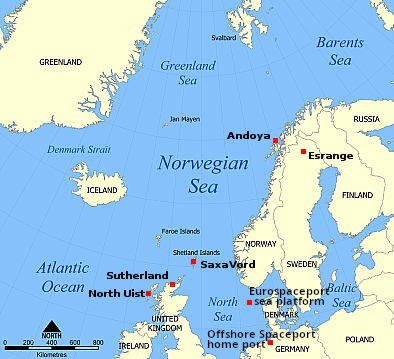
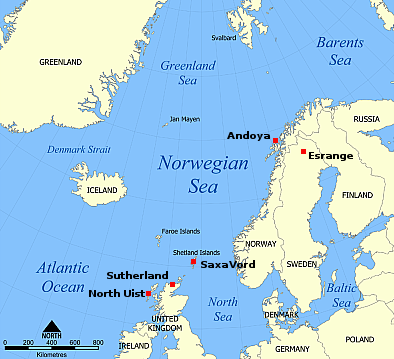
Proposed or active spaceports in North Europe
The German rocket startup HyImpulse yesterday signed a contract with the SaxaVord spaceport on the Shetland Islands in Scotland to do a suborbital test launch at SaxaVord later this year.
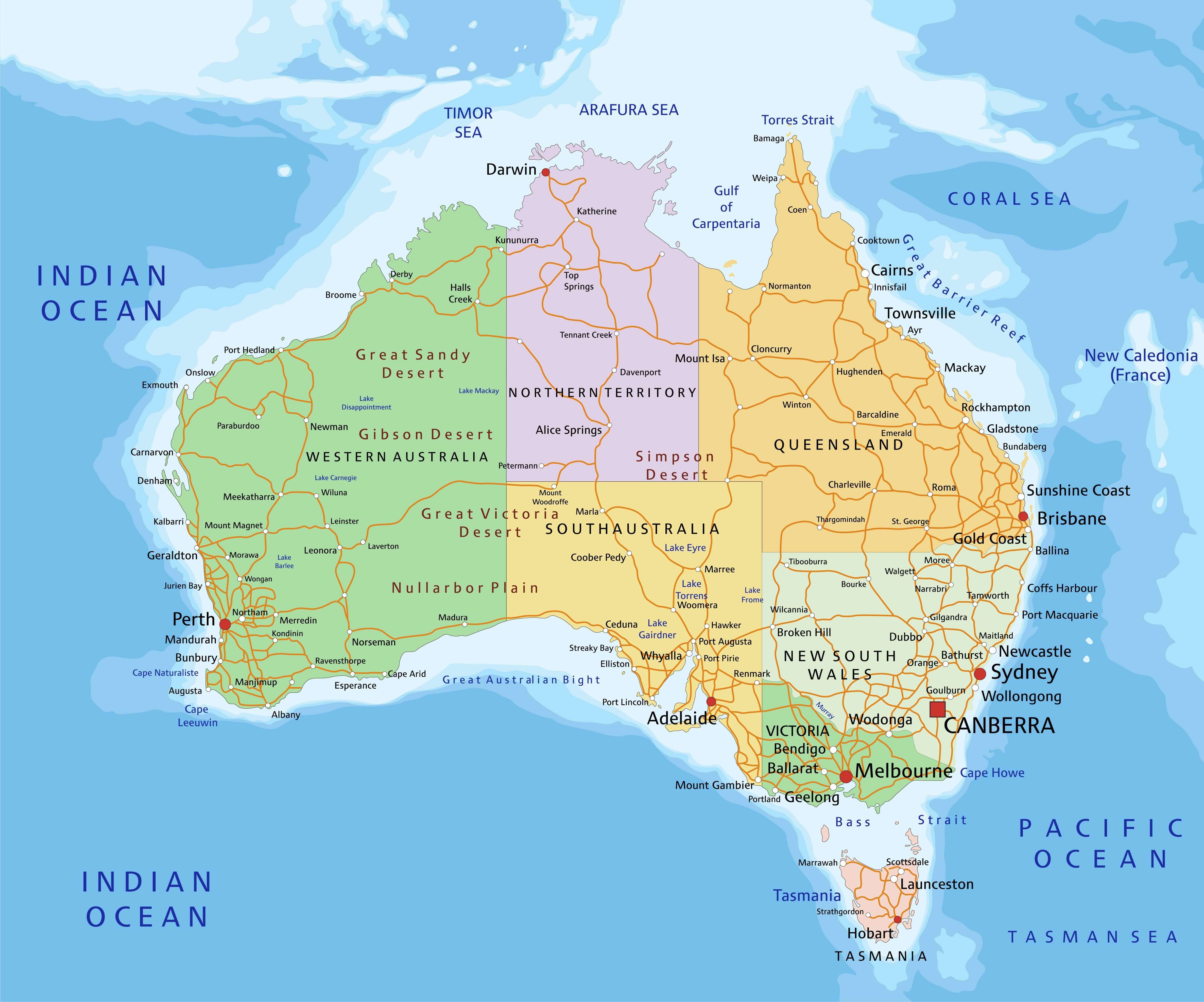
HyImpulse has agreed a launch deal with the Unst spaceport, with the aim of a suborbital launch in quarter three of 2026. It will be the second launch of the company’s SR75 suborbital launch vehicle following a successful lift-off in Australia in 2024, which used a hybrid propulsion system involving paraffin “candle wax” and liquid oxygen. HyImpulse said that initial launch, from Koonibba, showed the vehicle could demonstrate “stable flight validating system performance under operational conditions”.
Under the agreement, SaxaVord will provide launch infrastructure and operational support for the launch of the SR75.
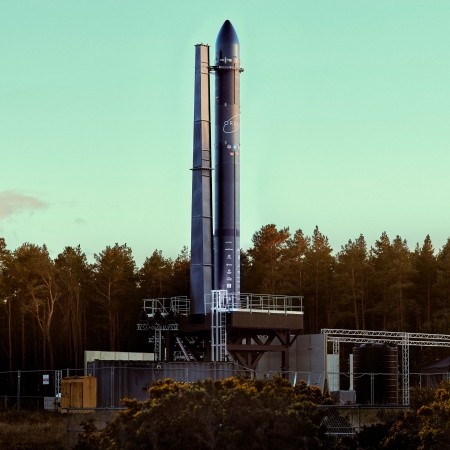
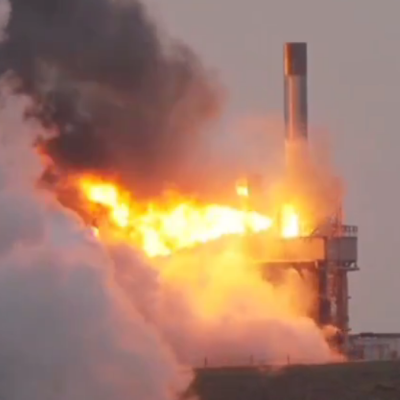
HyImpulse is the second German rocket startup to sign a deal to launch from SaxaVord. Rocket Factory Augsburg plans its second attempt to do an orbital launch from there later this year. In 2024 it was gearing up to do that launch but an explosion during a full static fire test of the rocket’s first stage killed that plan.
Considering the red tape the United Kingdom has imposed on rocket companies, bankrupting two and delaying all launches for years from both SaxaVord and the other proposed spaceport in Sutherland, Scotland, I am surprised these two rocket companies have signed these deals. Maybe the UK’s Civil Aviation Authority (CAA) has been reformed and eased that red tape.
Or maybe HyImpulse will find its plans blocked by the CAA as that agency once again ponders at glacial pace the issuing of a new launch license. Stay tuned.
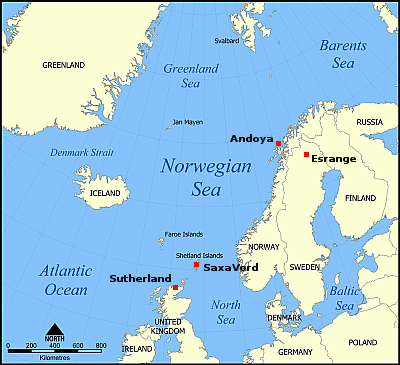
Proposed or active spaceports in North Europe
The German rocket startup HyImpulse yesterday signed a contract with the SaxaVord spaceport on the Shetland Islands in Scotland to do a suborbital test launch at SaxaVord later this year.
HyImpulse has agreed a launch deal with the Unst spaceport, with the aim of a suborbital launch in quarter three of 2026. It will be the second launch of the company’s SR75 suborbital launch vehicle following a successful lift-off in Australia in 2024, which used a hybrid propulsion system involving paraffin “candle wax” and liquid oxygen. HyImpulse said that initial launch, from Koonibba, showed the vehicle could demonstrate “stable flight validating system performance under operational conditions”.
Under the agreement, SaxaVord will provide launch infrastructure and operational support for the launch of the SR75.
HyImpulse is the second German rocket startup to sign a deal to launch from SaxaVord. Rocket Factory Augsburg plans its second attempt to do an orbital launch from there later this year. In 2024 it was gearing up to do that launch but an explosion during a full static fire test of the rocket’s first stage killed that plan.
Considering the red tape the United Kingdom has imposed on rocket companies, bankrupting two and delaying all launches for years from both SaxaVord and the other proposed spaceport in Sutherland, Scotland, I am surprised these two rocket companies have signed these deals. Maybe the UK’s Civil Aviation Authority (CAA) has been reformed and eased that red tape.
Or maybe HyImpulse will find its plans blocked by the CAA as that agency once again ponders at glacial pace the issuing of a new launch license. Stay tuned.