Lockheed Martin joins partnership to build off-shore launch platform
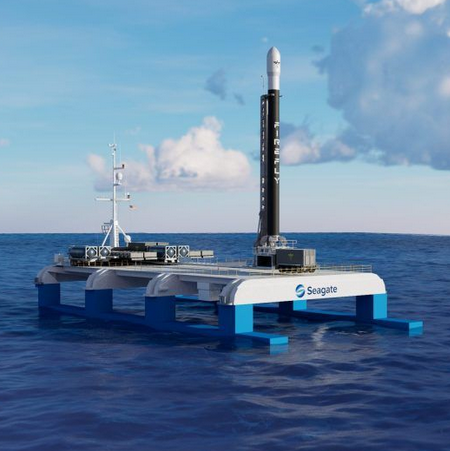
Artist’s rendering of Seagate platform. Click for original.
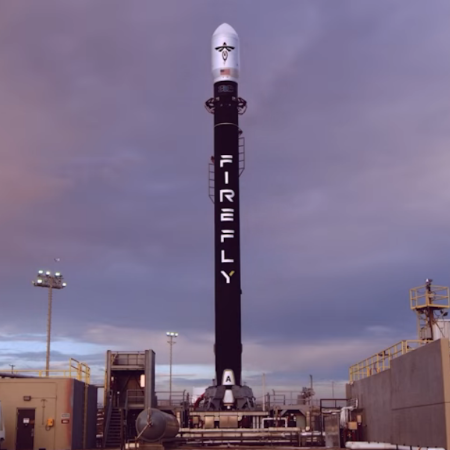
According to a post yesterday by Johnathon Caldwell, a vice president and general manager at Lockheed Martin, the company will be joining the partnership of Seagate and Firefly to build an off-shore launch platform from which Firefly hopes to launch its Alpha rocket.
The three companies will work together on mission‑application concepts and flight‑demonstration projects that leverage Seagate’s Gateway offshore launch platform. This sea‑based launch facility, combined with Firefly’s responsive Alpha launch vehicle, will provide rapid, flexible access to space from diverse locations, an essential capability for tactical payloads and national‑security missions.
Seagate only went public with this project in late March. Firefly signed on in April. Now Lockheed Martin has joined. It appears the concept has great potential for it to attract so much interest so quickly. Nor should this be surprising. The Chinese have been very successful in the past two years with its own sea platform, and the concept was proven years ago with Sea Launch.
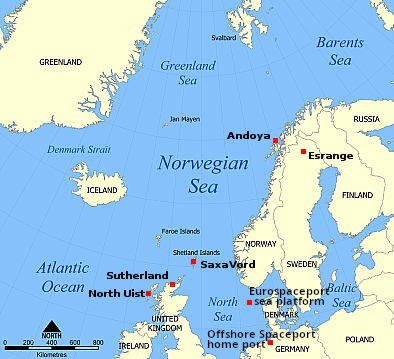
Though Firefly presently launches Alpha from Vandenberg, the company also has deals with Sweden’s Esrange spaceport and a lease for a pad at Cape Canaveral. It has also been studying launching from a proposed commercial spaceport in northern Japan. This partnership with Seagate might allow it to abandon all these land-based sites, or supplement them.
Lockheed Martin in the past has invested heavily in new rocket companies, including Rocket Lab, ABL, Orbex, and X-Bow. Of these, only Rocket Lab has succeeded. With this deal Lockheed is looking for another option for getting its commercial and military payloads into orbit, with a much greater launch flexibility.
Artist’s rendering of Seagate platform. Click for original.
According to a post yesterday by Johnathon Caldwell, a vice president and general manager at Lockheed Martin, the company will be joining the partnership of Seagate and Firefly to build an off-shore launch platform from which Firefly hopes to launch its Alpha rocket.
The three companies will work together on mission‑application concepts and flight‑demonstration projects that leverage Seagate’s Gateway offshore launch platform. This sea‑based launch facility, combined with Firefly’s responsive Alpha launch vehicle, will provide rapid, flexible access to space from diverse locations, an essential capability for tactical payloads and national‑security missions.
Seagate only went public with this project in late March. Firefly signed on in April. Now Lockheed Martin has joined. It appears the concept has great potential for it to attract so much interest so quickly. Nor should this be surprising. The Chinese have been very successful in the past two years with its own sea platform, and the concept was proven years ago with Sea Launch.
Though Firefly presently launches Alpha from Vandenberg, the company also has deals with Sweden’s Esrange spaceport and a lease for a pad at Cape Canaveral. It has also been studying launching from a proposed commercial spaceport in northern Japan. This partnership with Seagate might allow it to abandon all these land-based sites, or supplement them.
Lockheed Martin in the past has invested heavily in new rocket companies, including Rocket Lab, ABL, Orbex, and X-Bow. Of these, only Rocket Lab has succeeded. With this deal Lockheed is looking for another option for getting its commercial and military payloads into orbit, with a much greater launch flexibility.