More quakes in Arkansas, including a 4.3
The mysterious swarm of earthquakes in Arkansas keep coming, including a 4.3 quake today.
The mysterious swarm of earthquakes in Arkansas keep coming, including a 4.3 quake today.
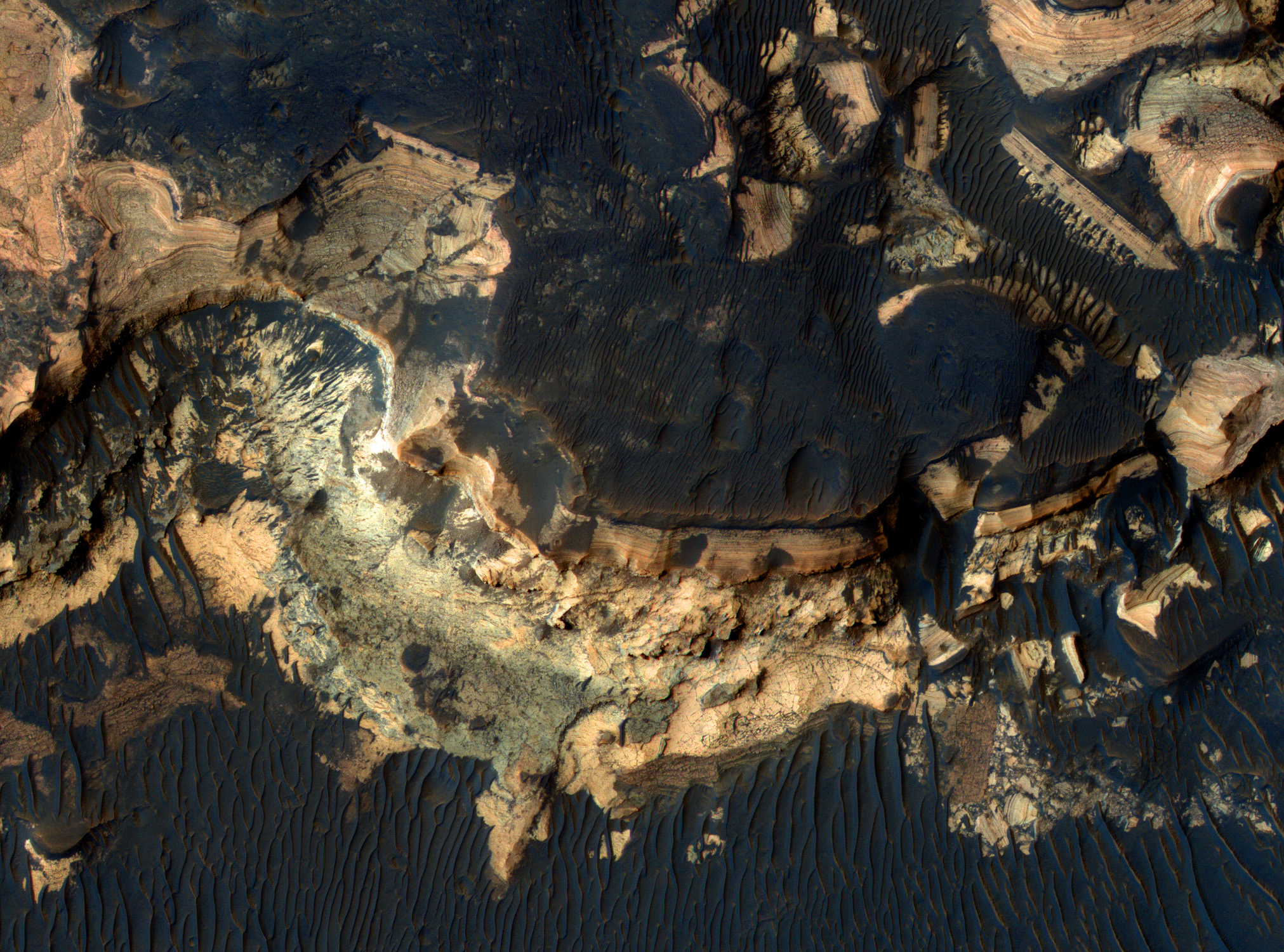
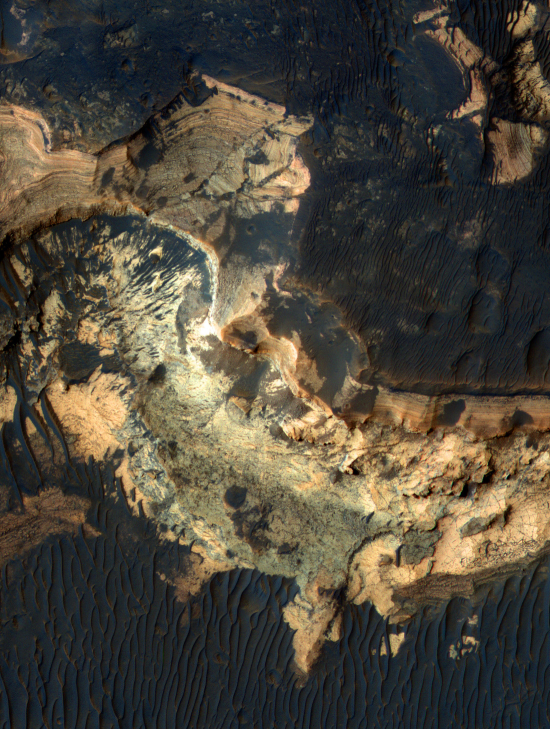
This week’s release of cool images from Mars Reconnaissance Orbiter included the color image below of a region on the floor of Holden Crater, one of the four possible landing sites for Curiosity, the Mars Science Laboratory planned for launch later this year. (If you want to see the entire image at higher resolution, you can download it here.)
Two things that immediately stand out about this image (other than this looks like an incredibly spectacular place to visit):
More news from Stardust: scientists have now identified what they think is the crater produced by Deep Impact’s impact in 2005. Key quote:
The images revealed a 150-metre-wide crater at the Deep Impact collision point that was not present in 2005. The crater is a subtle feature in the images, but it appears consistently in multiple views from the spacecraft. “So I feel very confident that we did find the [impact] site,” said mission member Peter Schultz of Brown University in Providence, Rhode Island, at a press briefing on Tuesday. The crater’s features are “subdued” rather than sharply defined, like those of craters made in hard materials like rock. “The message is: This surface of the comet where we hit is very weak,” said Schultz. The crater also has a small mound in its middle, indicating that some of the material thrown up by the impact was drawn by the comet’s gravity back down into the crater, he said: “In a way, it partly buried itself.”
Researchers have discovered a new set of deep-sea volcanic vents in the south Pacific, suggesting these vents are more common than previously believed. Key quote:
Using an underwater camera system, the researchers saw slender mineral spires about 10 feet tall, with hot water gushing from their peaks, and white mats of bacteria coating their sides. The vents are at a depth of 1,706 feet in a newly discovered seafloor crater close to the South Sandwich Islands, a remote group of islands about 310 miles southeast of South Georgia.
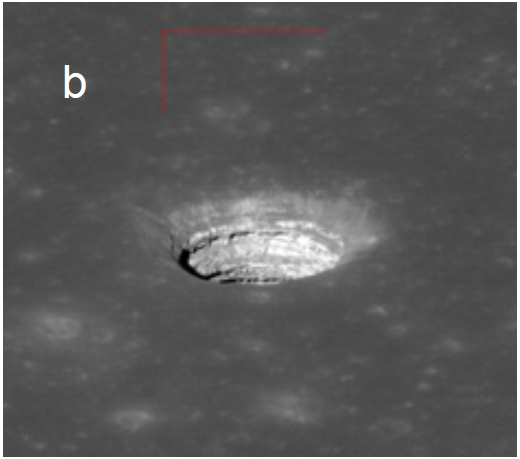
More images of lunar cave pits have been posted by the scientists of Lunar Reconnaissance Orbiter (LRO). They have also published their first paper [pdf] about these cave pits for the 2011 Lunar and Planetary Science Conference taking place in March. The paper summarizes, with images, what is know about the three pits on the Moon that have each been imaged a number of times at different angles and lighting situations.
The caldara of the erupting Japanese volcano Mount Shinmoe now appears to be filled to the brim. More photos here.
Wait ’til next year! The Russian effort to drill into Lake Vostok buried under the Antarctica icecap has fallen short by only a hundred feet, stopped by the end of summer.
Scientists have discovered significant seasonal changes to the northern martian sand dunes, including a number of large avalanches.
Japan’s Mount Shinmoe volcano erupted again today.
Government stupidity in action: FEMA considered then canceled (thank goodness) a proposal to spend more than a billion dollars on Meals-Ready-to-Eat on the very slim chance that the New Madrid fault in the midwest might produce a major earthquake sometime in the three years.
Unfortunately, they still haven’t canceled plans to buy 7 million emergency blankets and 550 million gallons of water in individual 1-liter plastic bottles.
Japan is on alert today after the biggest volcanic eruption in 50 years took place on the nation’s southernmost main island, Kyushu. The pictures at the link are truly incredible!
A fizzy ocean on Enceladus? Key quote:
[Scientists believe] that gasses dissolved in water deep below the surface [of Enceladus] form bubbles. Since the density of the resulting “sparkling water” is less than that of the ice, the liquid ascends quickly up through the ice to the surface. “Most of the water spreads out sideways and ‘warms’ a thin surface ice lid, which is about 300 feet thick,” explains Matson. “But some of it collects in subsurface chambers, builds up pressure, and then blasts out through small holes in the ground, like soda spewing out of that can you opened.”